

Mobility Guide
Move with more control.
Build a practical mobility routine around preparation, controlled movement, flexibility work and post-training reset.
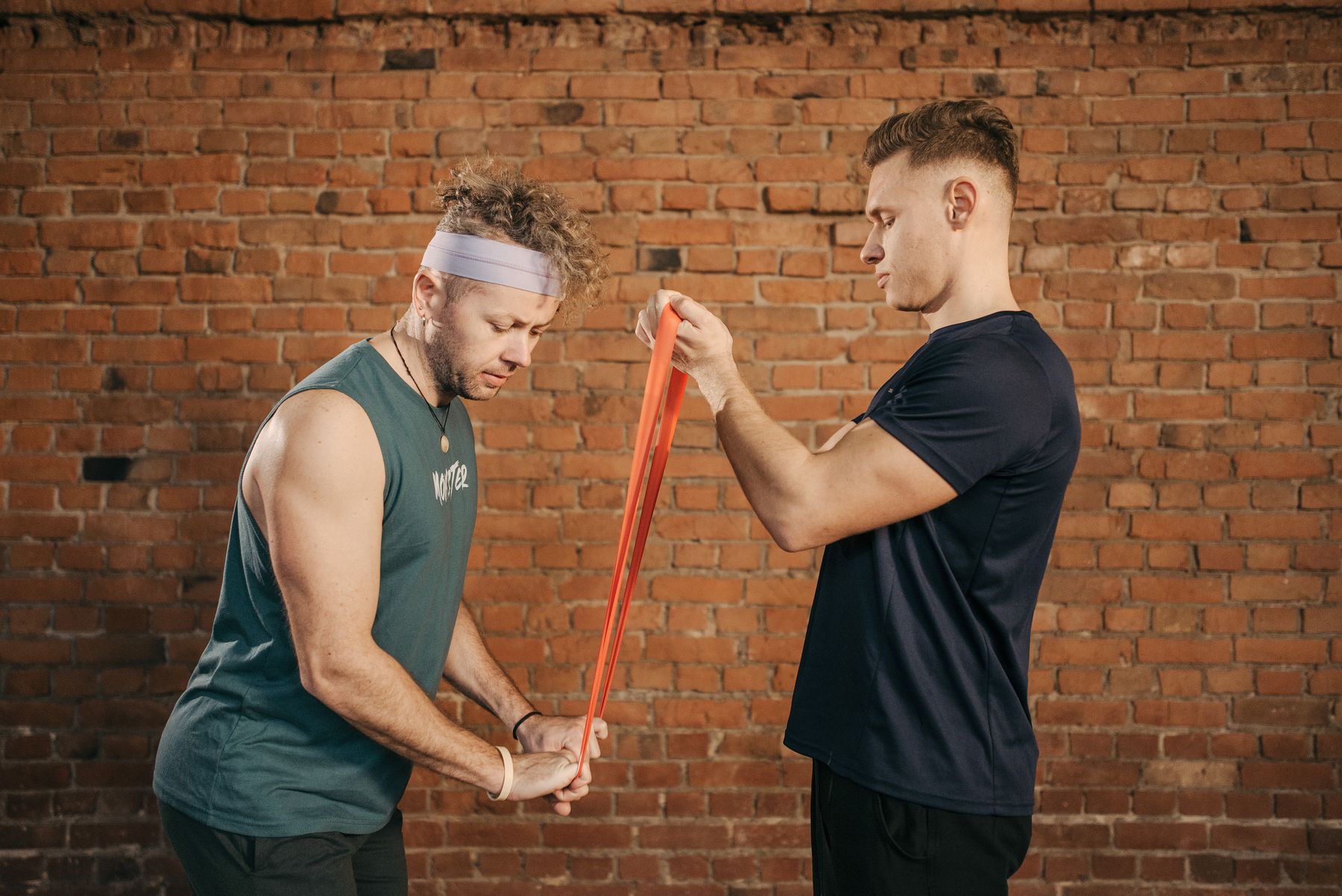
Better movement starts with better preparation.
Mobility work can sit naturally around strength, conditioning and functional training. Keep it purposeful: prepare the movements you plan to use, work through controlled ranges and make the routine easy enough to repeat.
Four ideas for a more useful mobility routine.
Mobility does not need an oversized exercise list. Focus on movements that support the positions, ranges and equipment you actually use in training.
Prepare
Use controlled movement before training to rehearse the positions and ranges your session will ask for.
Control
Move deliberately instead of rushing through positions. Keep each repetition organized and easy to repeat.
Explore Range
Work through comfortable ranges that match your current movement ability and the demands of your training.
Reset
Use rollers and mobility tools after training when you want a simple transition into lower-intensity movement.
Match the tool to the movement.
Resistance bands, floor-based movement and foam rollers each offer a different way to structure preparation and mobility work around a training session.
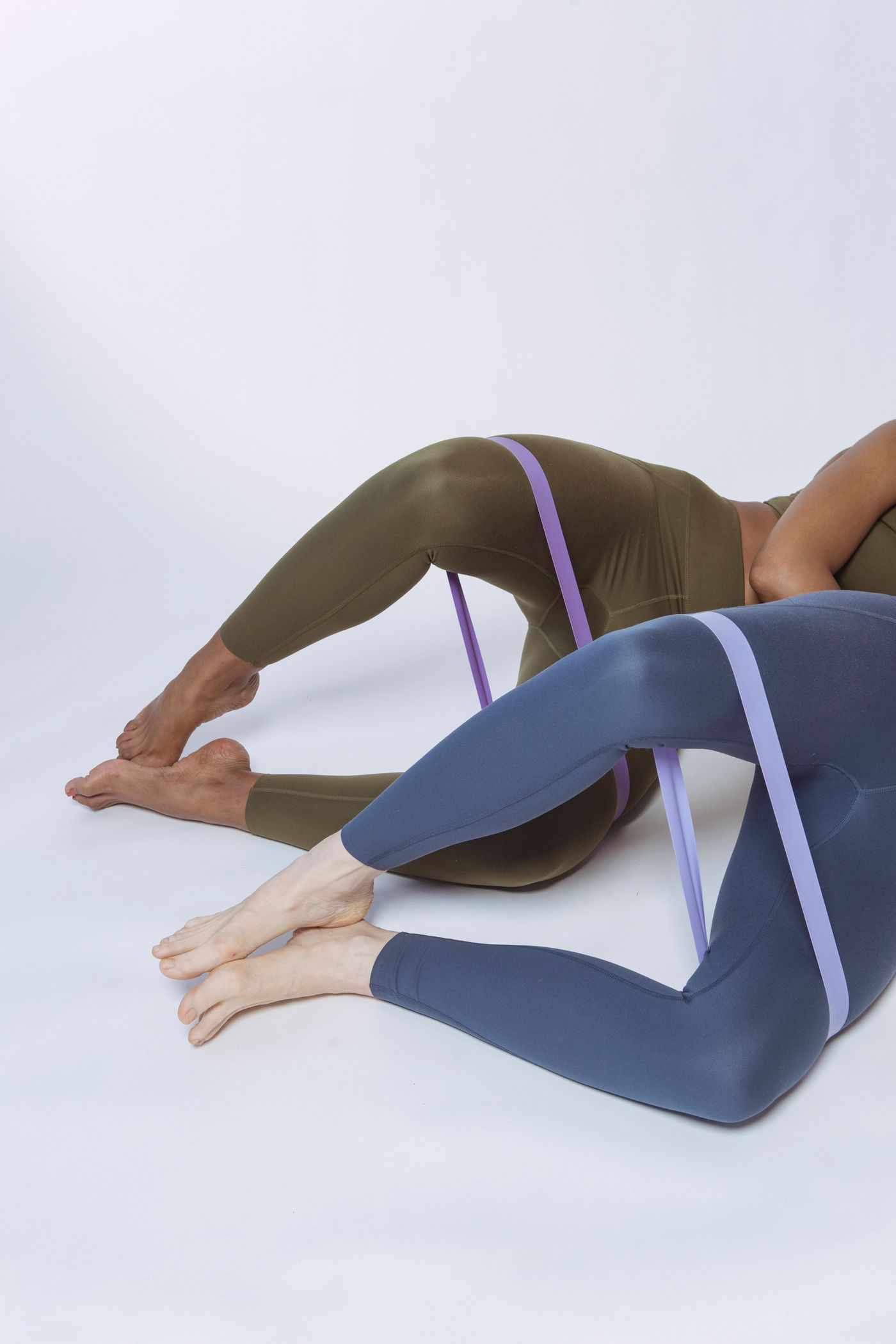
Add light resistance.
Resistance bands can add structure to warm-ups, activation work and controlled movement without requiring a large setup.
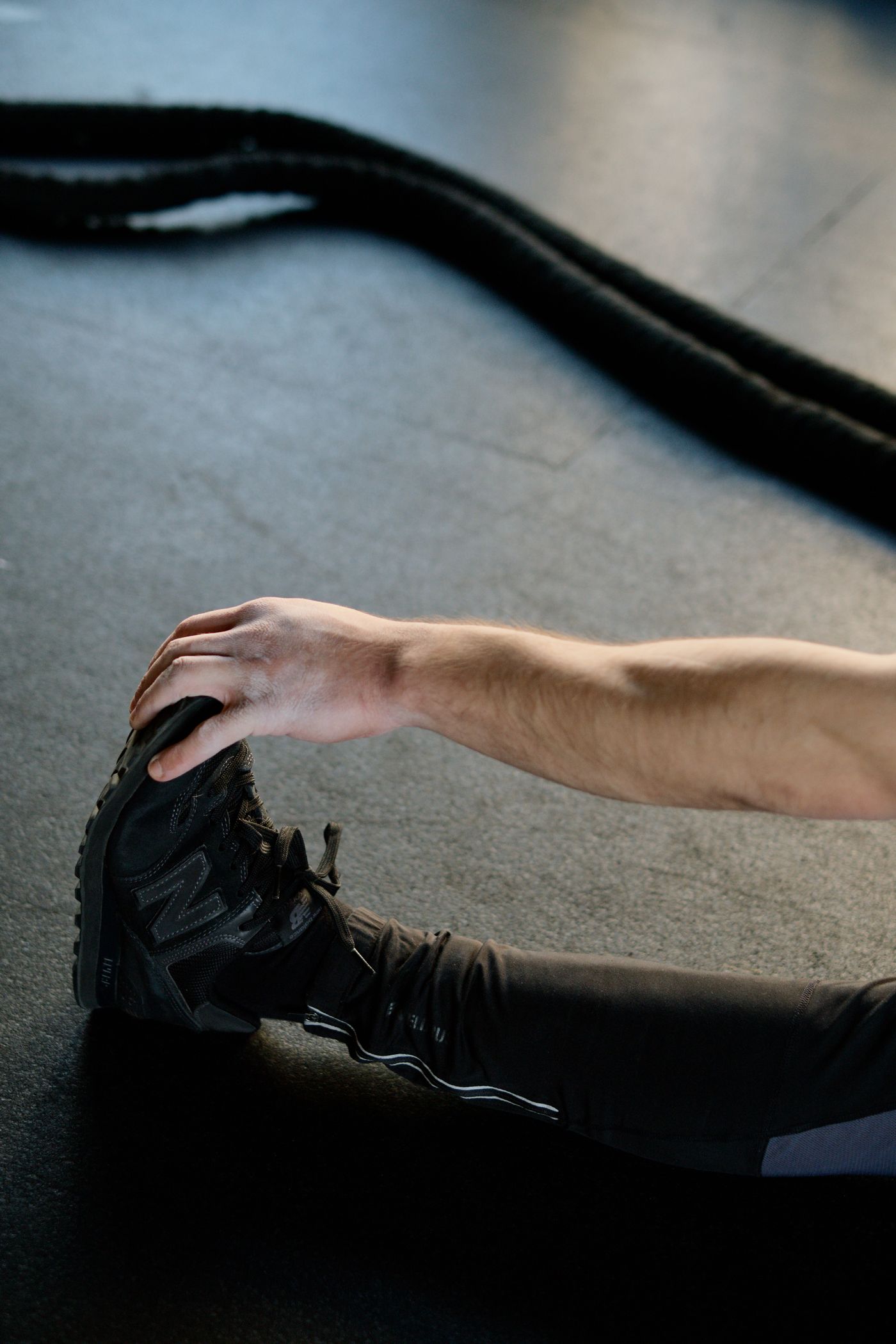
Control your positions.
Floor-based drills create a simple environment for working through hips, legs and torso positions with deliberate control.
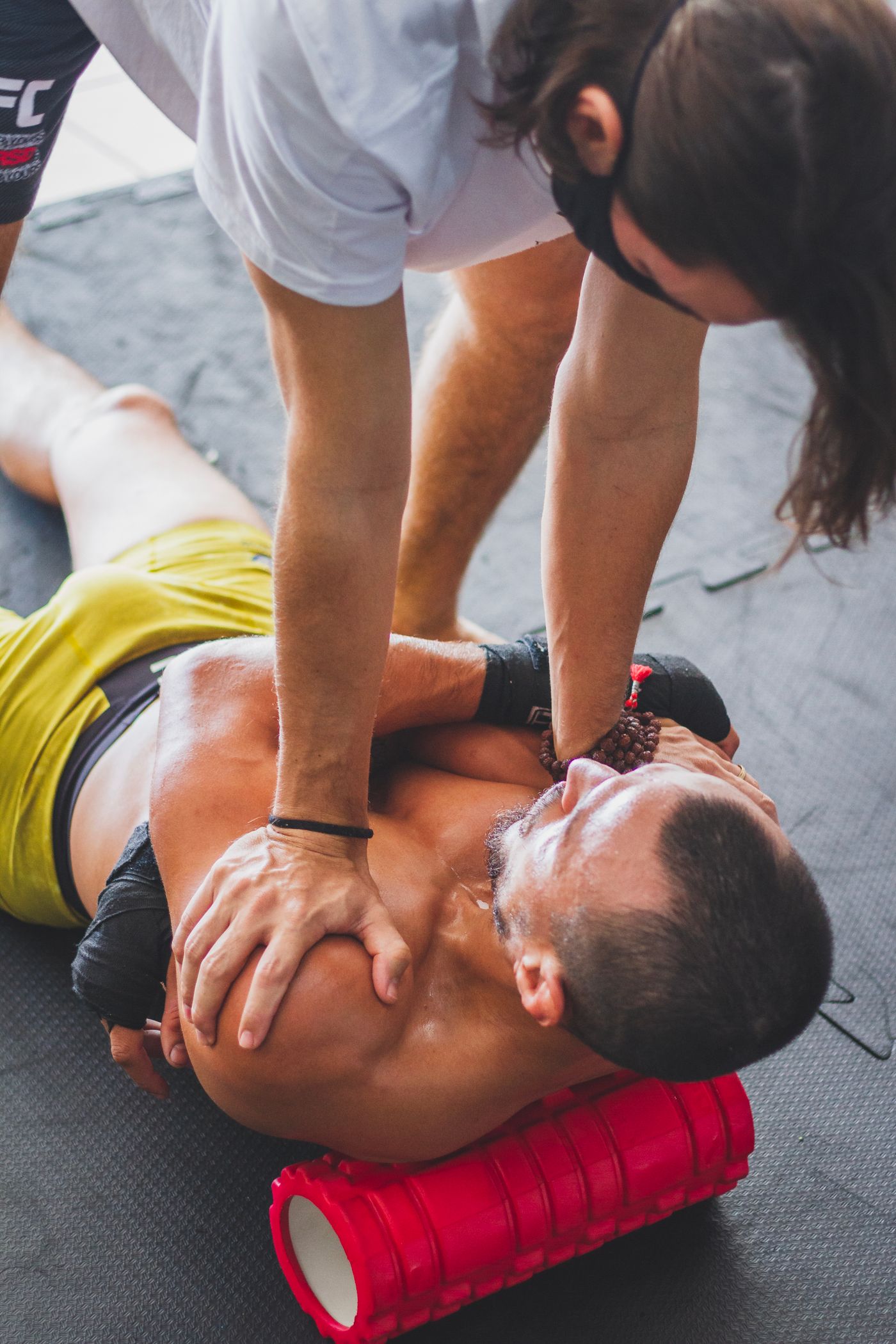
Slow the session down.
Foam rollers provide a straightforward tool for lower-intensity post-training routines and focused movement preparation.
Prepare for the session you are about to do.
Keep pre-training mobility specific. Think about the positions your workout will use, then select a small number of movements that help you practice those positions with control.
Begin with easy movement that raises your activity level without adding unnecessary fatigue.
Shift into movements that resemble the positions and patterns you plan to train.
Bands or light training tools can make preparation more specific without turning it into another workout.
Finish with controlled repetitions of the movement patterns that come next in your session.
Keep mobility simple enough to repeat.
A short routine that fits your actual training schedule is easier to maintain than an oversized sequence you rarely complete.
Identify
Choose the movement areas that matter most for the training you do regularly.
Select
Pick a small set of drills and tools rather than changing the routine every session.
Control
Work through comfortable movement with steady pacing instead of forcing larger positions.
Repeat
Keep the sequence accessible enough to use consistently before, after or between training sessions.
Tools that support the routine without taking it over.
Start with versatile equipment that can support several movement patterns instead of building a complicated collection of single-purpose tools.
Resistance Bands
Compact resistance for activation, controlled mobility and movement preparation.
Foam Rollers
Simple rolling tools for post-training routines and lower-intensity mobility sessions.
Mobility Balls
Compact tools for focused pressure and precise placement within a broader movement routine.
Stretching Tools
Practical accessories that help organize flexibility and controlled range work around training.
Mobility should support training—not compete with it.
Keep the routine proportionate to your goals. Use mobility work to prepare movement, practice control and create a consistent transition around the strength and conditioning work that remains at the center of your training.
Mobility Essentials
Build a movement routine that fits your training.
Explore Peakvera equipment for mobility, stretching, functional movement and recovery in one focused training catalog.